
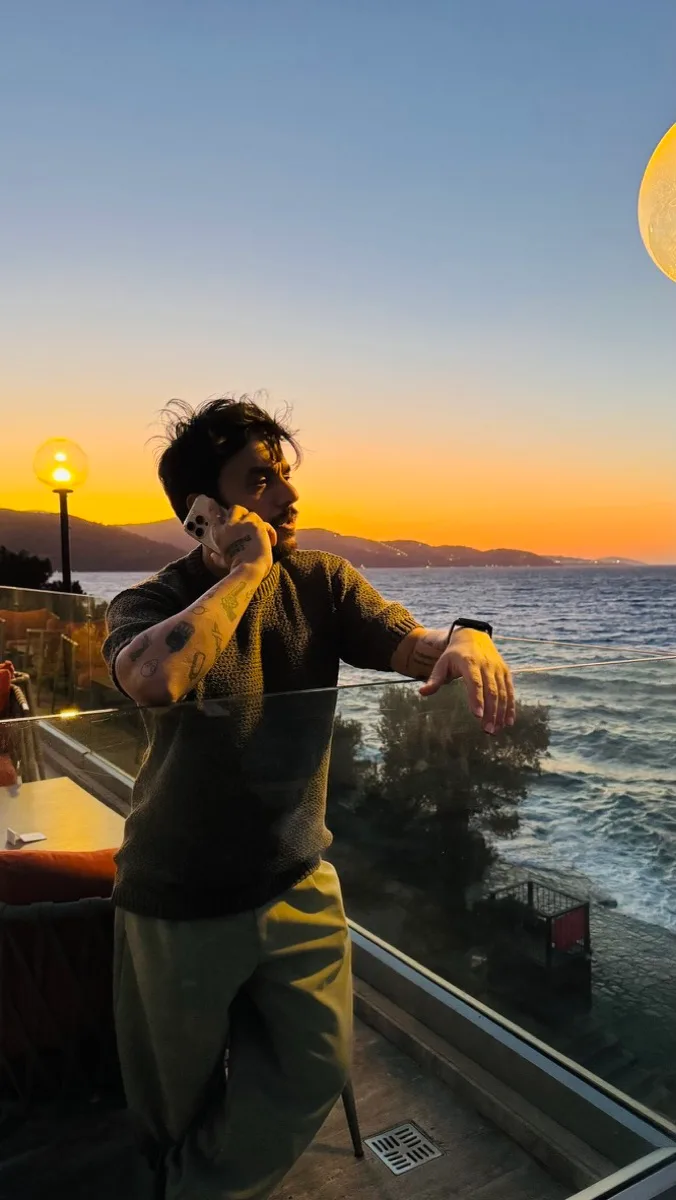
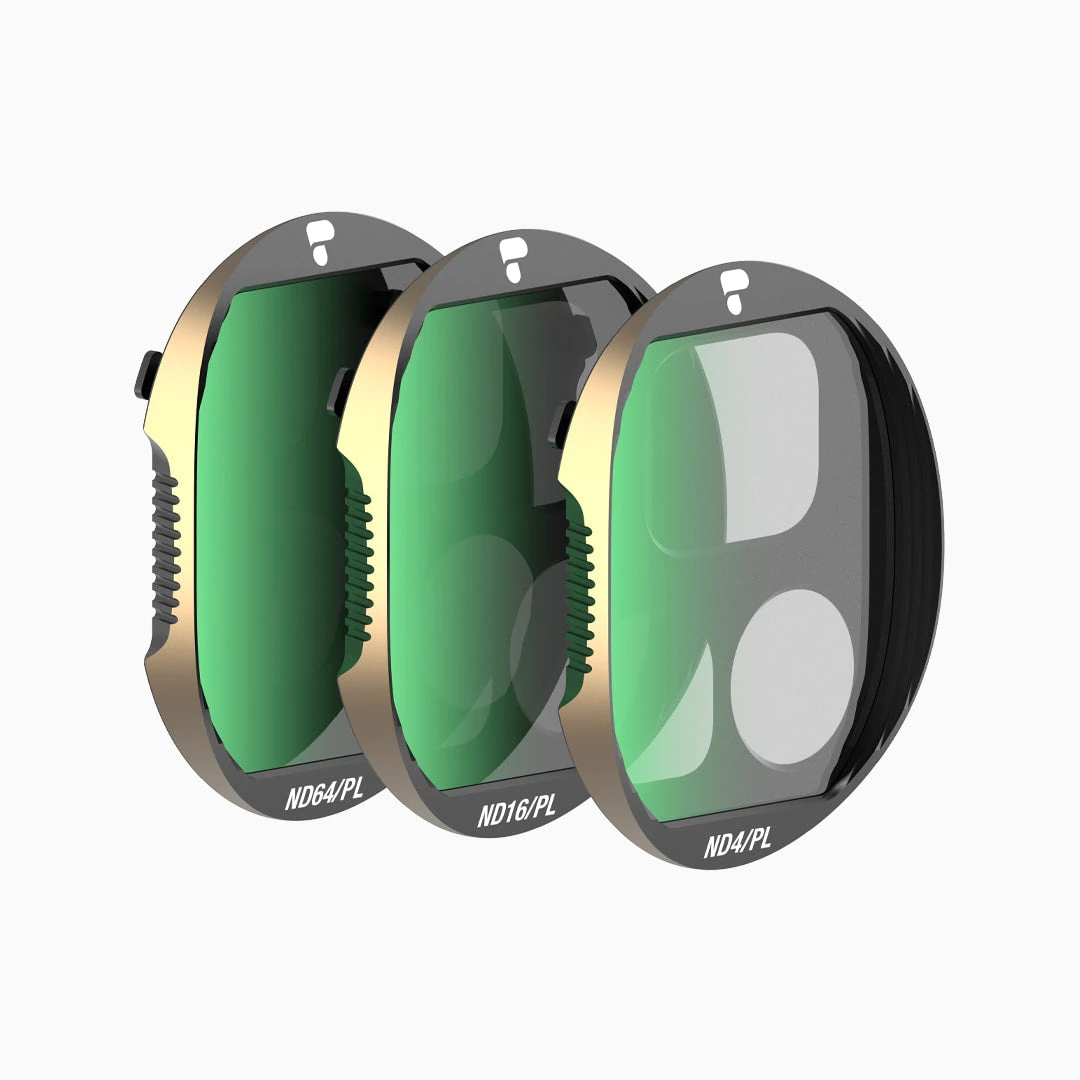
The PolarPro Vivid Collection I bought for my Mavic 4 Pro made a very noticeable difference to the image. The clouds, reflections, liveliness of the colours and sense of clarity changed together. My immediate reaction is simple: the result looks fantastic.
I want to explain that enthusiasm, because filter discussions easily become a list of numbers. How many stops? Which ND? Which glass? What makes me love a piece of equipment is the image I eventually look at. This small accessory has made a real difference to how I feel about the images from my Mavic 4 Pro.
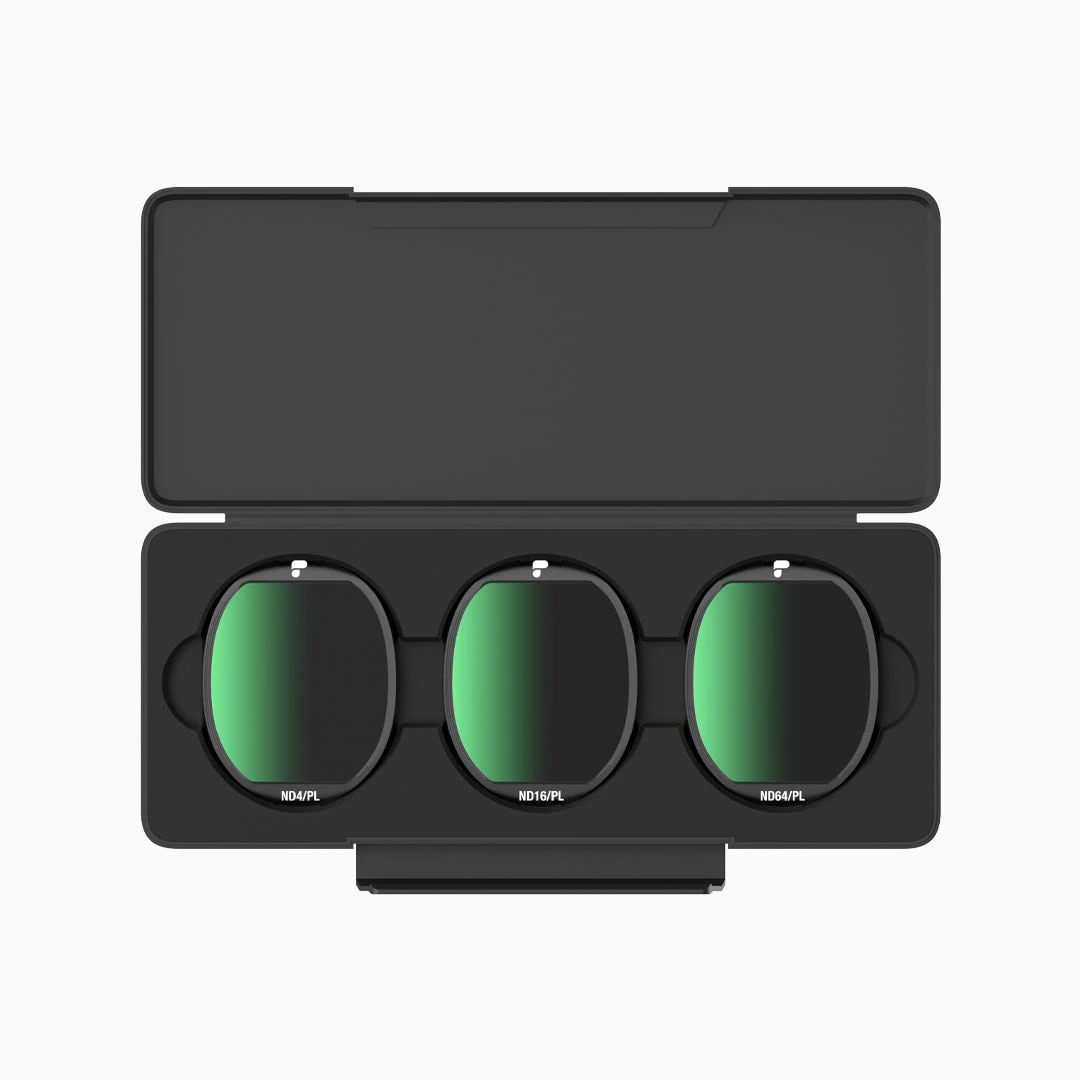
My earlier Mavic 4 Pro review covered the cameras, the Creator Combo bundle and the technical limits. The user experience article is about my experience with the drone itself. This piece focuses on Vivid: the ND4/PL, ND16/PL and ND64/PL set I bought, and the change I see in the images.
What changed in the clouds and reflections
The clouds were what caught my attention first. I love the way they look more defined against the sky, with colours that feel more alive. The word that comes to mind is clarity. There is a sense that I can read what is inside the frame more easily.
Reflections matter just as much. A bright surface can attract more attention than anything else in a shot. Sometimes you want to see the surface itself, yet your eye keeps returning to the glare. With Vivid, I prefer the way the reflections look in my images. Together with the clouds and colours, they make the frame feel more coherent.
That does not mean I think every reflection should disappear. A reflection can be the entire idea behind a photograph. A glossy surface tells you where the light is coming from; the sparkle on water can be part of a scene's energy. What I want is to like the relationship between those elements in the image.
That is where my satisfaction with this set comes from. The image quality feels dramatically different to me: clearer, more vivid and more beautiful. Looking at my images, that difference makes me happy.
ND and PL do different jobs
To understand Vivid, it helps to separate the two parts of its name. ND reduces the amount of light reaching the camera. PL affects certain reflections and polarised light. Combining them in one filter does not make them the same effect.
I think of ND as a way to control light. In bright conditions, it gives you another tool for keeping exposure where you want it. That is particularly useful in video, where your choice of shutter speed also changes how motion looks. At 25 frames per second, for example, 1/50 second is a common choice for motion blur. It is a creative convention, and a different shutter speed may suit the movement you want to show.
PL is about more than the amount of light. By reducing part of the reflected light from some surfaces, it can help you see their colour and texture more clearly. Under suitable conditions and angles, it can also create a stronger sense of separation in the sky. That helps explain why I enjoy the clouds and reflections so much.
There is no single setting that guarantees the same result in every shot. Polarisation depends on the angle between the sun, the camera and the surface. Different reflections respond differently. Colour does not become equally saturated everywhere. As the drone changes direction, the darkness of the sky or the appearance of reflections may change too. On a long turn, you need to look at how the shot develops from beginning to end.
There is an important detail specific to this model: its polariser is fixed, with no rotation adjustment or off position. Its light loss is included in the stated ND strength. PolarPro's official FAQ confirms this. The operating method of a separate rotating polariser therefore does not apply directly to this set.
Choosing ND4/PL, ND16/PL or ND64/PL
The three densities give you three options for different amounts of light. The ND4, ND16 and ND64 designations correspond to 2, 4 and 6 stops of light reduction. They are filter designations; by themselves, they do not tell you which camera settings will be right in a particular kind of weather.
That distinction matters. “Use the darkest one when it is sunny” is not enough. Under the same sun, the direction of the shot, the bright areas in the scene, the frame rate and your chosen shutter speed can change. Still photography and video do not always need the same thing either. It makes more sense to connect the filter choice to the light and your intended exposure.
I see this set as a range of control from lighter to stronger filtration. An unnecessarily dense filter can take away more light than you want. Too little filtration can make it harder to reach your intended exposure settings. The darkness of the glass is not a measure of image quality.
Having multiple cameras on the Mavic 4 Pro also gives no reason to assume automatic exposure matching. I would not use the printed filter designation to claim that every camera will produce the same exposure with identical settings. Check the image and exposure again when you change cameras.
When choosing a filter, it also helps to look beyond an attractive sky. Consider the main subject, the bright areas and the shadows together. You do not want to make an important surface too dark while admiring the sky. The choice makes sense when the whole frame works; a more dramatic appearance in one part is only part of the decision.
The exact product and the manufacturer's current information are on the PolarPro Mavic 4 Pro filters page.

What I mean by a clearer image
When I say the image looks clearer with these filters, I do not mean the sensor has gained pixels. A filter does not increase sensor resolution. Our impression of clarity also involves contrast, how easily we can see a surface and how bright areas relate to the other details.
Looking at an image and saying “this looks cleaner” is one kind of assessment. Comparing enlarged files captured under identical conditions to measure optical resolution is another. I am describing the first. I prefer the clouds, the character of the reflections and the colour liveliness together. That is a substantial improvement for me, without being a measured percentage increase in sharpness.
Colour, too, is about more than increasing saturation. Adding saturation in software is easy. What I enjoy is a clearer feeling for the colours and distinctions within the image. In the results I get with Vivid, that liveliness feels connected to the whole frame.
I do not treat a filter as a replacement for grading. White balance, exposure and the colour decisions that follow still matter. But influencing how the image is captured gives you a different kind of control. Changing the behaviour of a reflection during capture is a different operation from adjusting saturation or contrast afterwards.
What this set means in my equipment bag
I understand an accessory's value when I stop thinking about its technical description and look at the image. Vivid Collection has earned its place with me in exactly that way. I already enjoy the Mavic 4 Pro; the results with this set have made that enjoyment stronger.
I would not expect everyone to want polarisation on every shot. You may want to preserve a reflection, or a changing effect during a turning shot may work against your intention. The useful starting question is what you want to see in this particular image.
My answer for now is personal and very positive. I love the clouds, the reflections, the vividness and the sense of clarity. When I look at the image, I see the value of the purchase. A small piece of glass making such a pleasing difference is one of the reasons I enjoy working with equipment.
I have also written about the other PolarPro system I use on my ground cameras in my Helix VND 2–5 and 77 mm adapter review. There, the magnetic system's convenience when changing lenses impressed me. With Vivid, the strongest impression comes directly from the image: I like the frame I am looking at more.